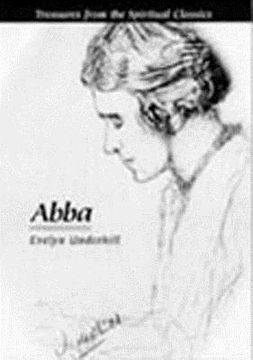
The title of the book, Abba, is the term used in more than one place in the New Testament for addressing God as Father and it is with the 'Our Father' prayer that these meditations are concerned. At first sight it might be thought impossible to say anything fresh on something so familiar to all Christians as the Lord's Prayer. Yet the inexhaustible depths of meaning to be found in it may, by the very fact of familiarity, all too easily escape notice and understanding.
Nació en Wolverhampton, Inglaterra, en 1875. Recibió una esmerada educación privada y asistió al King´s College para mujeres (Londres), donde estudió letras, historia, botánica y filosofía. Crecida en el agnosticismo, en 1907, durante una breve estancia en un convento franciscano, tiene lugar su conversión espiritual. A pesar de estar convencida de que la religión católica era la verdadera, diversas circunstancias impiden su adhesión a la Iglesia católica, y en 1921 optará finalmente por una pertenencia practicante al anglicanismo. En 1911, a raíz de la preparación y publicación de su obra fundamental La mística, conoce al barón Friedrich von Hügel, al que convertirá en su director espiritual; él influirá grandemente en su pensamiento y en su práctica religiosa. Repartió su actividad entre la escritura y la vida de devoción, asumiendo la dirección de retiros e impartiendo charlas y conferencias, dedicaciones que harán de ella unas de las maestras espirituales más importantes de su tiempo.
Autora de tres novelas y dos libros de poemas, destacan sus trabajos sobre mística y espiritualidad, que comprenden ediciones y comentarios de místicos y obras clásicas como Ruysbroeck, Walter Hilton, La Nube del no Saber o La Escala de Perfección. Entre sus numerosos libros cabe mencionar The Mystic Way: A Psychological Study in Christian Origins (1913), The Life of the Spirit and the Life of Today (1922), The Mystics of the Church (1925), Worship (1936), La práctica del misticismo (2015) y La mística (2ª edición en 2016), publicados en esta editorial.