你好! Shipping to Taiwan with premium packaging for just NT$300 

Ship to
Taiwan
0
  • argentina
  • chile
  • colombia
  • españa
  • méxico
  • perú
  • estados unidos
  • internacional

Select your country

Americas

Europe

Rest of the world

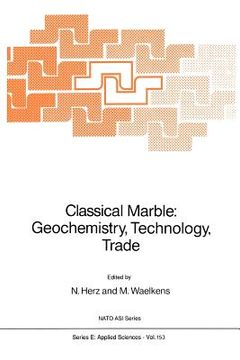
portada classical marble: geochemistry, technology, trade
Type
Physical Book
Publisher
Year
2010
Language
English
Pages
482
Format
Paperback
Dimensions
23.4x15.6x2.6 cm
Weight
0.69 kg.
ISBN
9048183138
ISBN13
9789048183135

classical marble: geochemistry, technology, trade

N. Herz (Illustrated by) · Marc Waelkens (Illustrated by) · Springer · Paperback

classical marble: geochemistry, technology, trade - Herz, N. ; Waelkens, Marc

Cheaper New Book Imported to Taiwan
Delivery: 05 Nov - 13 Nov Shipping: 15 to 16 business days.
NT$ 14,550
Faster New Book Imported to Taiwan
Delivery: 22 Oct - 30 Oct Shipping: 5 to 6 business days.
NT$ 17,869
NT$ 14,550

Synopsis "classical marble: geochemistry, technology, trade"

Marble in Ancient Greece and Rome: Geology, Quarries, Commerce, Artifacts Marble remains the sine qua non raw material of the an- cient Greeks and Romans. Beginning in the Bronze Age sculptu- re began in marble and throughout classical times the most im- portant statues, reliefs, monuments and inscriptions were made of it. Yet, quarry sources changed in time as preferences for different marbles were influenced by local traditions, the pos- sibilities of transport, esthetic tastes, and economics. Marble studies and the identification of the provenance of marble can thus reveal much about Greek and Roman history, trade, esthe- tics and technology. Persons in many disciplines are studying various aspects of Greek and Roman marble usage. Geologists and geochemists are working on methods to determine the provenance of marble; ar- chaeologists are noting changing patterns of import and use in excavation and discovering how improving quarrying techniques and prelimihary dressing of the extracted material influenced the final shape of artifacts; ancient historians are now under- standing quarry organization and bureaucracies that controlled marble production and trade; art historians are seeing how phy- sical characteristics of the stone affected the techniques and style of sculpture; architects and engineers are interested in quarry technologies and usage in building construction. These specialists drawn from many disciplines rarely have an opportu- nity to compare notes and see how each can contribute to the research effort of others.

Customers reviews

Frequently Asked Questions about the Book

All books in our catalog are Original.
The book is written in English.
The binding of this edition is Paperback.

Questions and Answers about the Book

Do you have a question about the book? Login to be able to add your own question.

Opinions about Bookdelivery

More customer reviews