Tracked shipping to Taiwan with premium packaging for just NT$300 

Ship to
Taiwan
0
  • argentina
  • chile
  • colombia
  • españa
  • méxico
  • perú
  • estados unidos
  • internacional

Select your country

Americas

Europe

Rest of the world

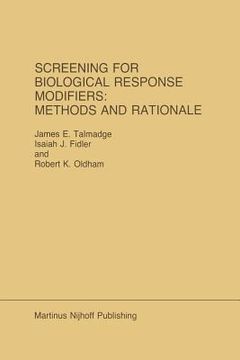
portada Screening for Biological Response Modifiers: Methods and Rationale
Type
Physical Book
Publisher
Language
English
Pages
194
Format
Paperback
Dimensions
23.4 x 15.6 x 1.1 cm
Weight
0.30 kg.
ISBN13
9781461296249

Screening for Biological Response Modifiers: Methods and Rationale

R. K. Oldham (Author) · James E. Talmadge (Author) · Isaiah J. Fidler (Author) · Springer · Paperback

Screening for Biological Response Modifiers: Methods and Rationale - Talmadge, James E. ; Fidler, Isaiah J. ; Oldham, R. K.

Cheaper New Book Imported to Taiwan
Delivery: 25 Aug - 04 Sep Shipping: 13 to 15 business days.
NT$ 3,810
Faster New Book Imported to Taiwan
Delivery: 13 Aug - 21 Aug Shipping: 5 to 6 business days.
NT$ 4,649
NT$ 3,810

Synopsis "Screening for Biological Response Modifiers: Methods and Rationale"

The observation in the 1950s that nitrogen mustard and other toxic chemicals could induce antitumor responses in patients with refractory lymphoma initiated a massive search for active chemotherapeutic agents. The initial observations stimulated a search for new chemotherapeutic agents which might have increased antitumor activity with less toxicity for normal tissues. To aid in the search for these new chemicals and to attempt to distinguish among the many toxic chemicals which might be candidates for clinical studies, the National Cancer Institute, the pharmaceutical industry, and the cancer research laboratories of most Western nations developed systems for "screening" drugs for antitumor activity. Perhaps the most extensive screening program was established by the National Cancer Institute (1). This screening program has evolved over the last two decades, an evolution which has been repeatedly reviewed (2-5). Various screening programs in use have examined over 500,000 compounds as potential anticancer agents. From these, there are now approximately forty anticancer drugs in clinical use. The utiliy of these compounds and their toxicities have been reviewed on many occasions. It is now apparent that more active and less toxic anticancer drugs are needed. It is also clear that the current screening programs are identifying compounds with similar levels of activity and with continuing moderate to severe toxicity (6).

Customers reviews

Frequently Asked Questions about the Book

All books in our catalog are Original.
The book is written in English.
The binding of this edition is Paperback.

Questions and Answers about the Book

Do you have a question about the book? Login to be able to add your own question.

Opinions about Bookdelivery

More customer reviews