你好! Shipping to Taiwan with premium packaging for just NT$300 

Ship to
Taiwan
0
  • argentina
  • chile
  • colombia
  • españa
  • méxico
  • perú
  • estados unidos
  • internacional

Select your country

Americas

Europe

Rest of the world

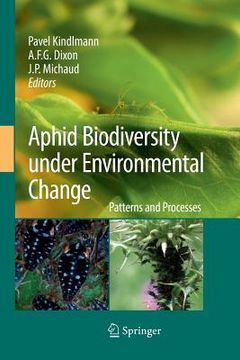
portada Aphid Biodiversity Under Environmental Change: Patterns and Processes
Type
Physical Book
Publisher
Language
English
Pages
191
Format
Paperback
Dimensions
23.4x15.6x1.1 cm
Weight
0.29 kg.
ISBN13
9789401783293

Aphid Biodiversity Under Environmental Change: Patterns and Processes

Kindlmann, Pavel ; Dixon, A. F. G. ; Michaud, J. P. (Author) · Springer · Paperback

Aphid Biodiversity Under Environmental Change: Patterns and Processes - Kindlmann, Pavel ; Dixon, A. F. G. ; Michaud, J. P.

Cheaper New Book Imported to Taiwan
Delivery: 13 Oct - 26 Oct Shipping: 12 to 16 business days.
NT$ 4,987
Faster New Book Imported to Taiwan
Delivery: 02 Oct - 12 Oct Shipping: 5 to 6 business days.
NT$ 6,531
NT$ 4,987

Synopsis "Aphid Biodiversity Under Environmental Change: Patterns and Processes"

This book presents the results of recent research on aphid population dynamics and ecology relevant to current environmental changes resulting from global wa- ing. It incorporates a selection of the contributions presented at the International Symposium on Aphids in Fremantle, Australia, in October 2005, plus some ad- tional invited chapters. The objective was to incorporate the major issues in the ?eld and simultaneously create a closely interrelated and integrated volume. The ?rst chapter sets the scene. Kindlmann and Dixon present a critical review of existing models of aphid population dynamics, examine the biological assumptions that are incorporated in the models and present one of the latest models of aphid metapopulation dynamics. They conclude that natural enemies are unlikely to affect aphid population dynamics late in a season, but in some years may have an effect very early in the season, when aphid colonies are still small and predators might be able to reduce the numbers of colonies. The question, whether aphids will move to different locations, adapt to the change in conditions in their current habitat or go extinct is discussed by Ameixa. She concludes that the distributions of aphids are most likely to change, with the distribution of each species moving globally as their preferred habitat moves in response to changes in the climate, which may be more dif?cult than in the past because of habitat fragmentation and habitat loss.

Customers reviews

Frequently Asked Questions about the Book

All books in our catalog are Original.
The book is written in English.
The binding of this edition is Paperback.

Questions and Answers about the Book

Do you have a question about the book? Login to be able to add your own question.

Opinions about Bookdelivery

More customer reviews