
Ship to
Taiwan
Select your location
Shipping costs will be calculated based on this address throughout the site.
Shipping costs will be calculated based on this address throughout the site.
Select your country
Americas
Argentina
Brazil
Canada
Chile
Colombia
Costa Rica
Dominican Republic
Ecuador
El Salvador
Mexico
Peru
U.S.A.
Uruguay
Europe
Austria
Belgium
Croatia
Czech Republic
Denmark
Finland
France
Germany
Greece
Hungary
Ireland
Italy
Latvia
Malta
Netherlands
Norway
Poland
Portugal
Serbia
Slovakia
Slovenia
Spain
Sweden
Switzerland
United Kingdom
Rest of the world
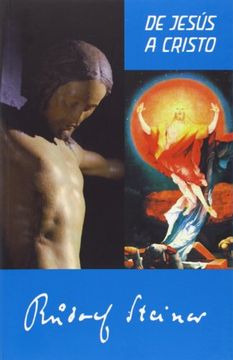
De Jesús a Cristo (in Spanish)
Rudolf Steiner
De Jesús a Cristo (in Spanish)
Rudolf Steiner (Author) · Rudolf Steiner · Paperback
De Jesús a Cristo (in Spanish)
Rudolf Steiner
De Jesús a Cristo es un libro básico para aquellos que tienen un profundo interés en conocer la intervención de Cristo en el desarrollo de la Humanidad. En él podemos encontrar respuesta a las siguientes preguntas: ¿Quién es Cristo? ¿Por qué se encarnó en un ser humano? ¿Cómo tuvo que ser preparado este gran acontecimiento a través de las genealogías de Lucas y Mateo? (A través de los dos niños Jesús) ¿Por qué quiso hacer un sacrificio tan inmenso? ¿Cuál fue realmente el beneficio para la humanidad en su totalidad? ¿Qué representa verdaderamente la Resurrección de Cristo? --------------------------------------------------------------------------------
Do you have a question about the book? Login to be able to add your own question.
