你好! Tracked shipping to Taiwan with premium packaging for just NT$300 

Ship to
Taiwan
0
  • argentina
  • chile
  • colombia
  • españa
  • méxico
  • perú
  • estados unidos
  • internacional

Select your country

Americas

Europe

Rest of the world

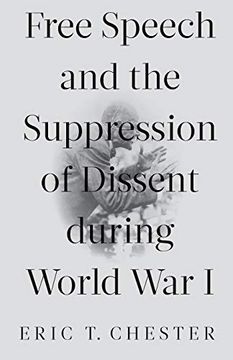
portada Free Speech and the Suppression of Dissent During World war i
Type
Physical Book
Format
Paperback
ISBN13
9781583678688

Free Speech and the Suppression of Dissent During World war i

Eric T. Chester (Author) · · Paperback

Free Speech and the Suppression of Dissent During World war i - Eric T. Chester

New Book Imported to Taiwan
Delivery: 19 Aug - 27 Aug Shipping: 4 to 5 business days.
NT$ 1,111
NT$ 1,111

Synopsis "Free Speech and the Suppression of Dissent During World war i"

A comprehensive history of the National Civil Liberties Bureau's role in the anti-war movement during the First World WarWorld War I, given all the rousing “Over-There” songs and in-the-trenches films it inspired, was, at its outset, surprisingly unpopular with the American public. As opposition increased, Woodrow Wilson’s presidential administration became intent on stifling antiwar dissent. Wilson effectively silenced the National Civil Liberties Bureau, forerunner of the American Civil Liberties Union. Presidential candidate Eugene Debs was jailed, and Deb’s Socialist Party became a prime target of surveillance operations, both covert and overt. Drastic as these measures were, more draconian measures were to come.In his absorbing new book, Free Speech and the Suppression of Dissent During World War I, Eric Chester reveals that out of this turmoil came a heated public discussion on the theory of civil liberties – the basic freedoms that are, theoretically, untouchable by any of the three branches of the U.S. government. The famous “clear and present danger” argument of Supreme Court Justice Oliver Wendell Holmes, and the “balance of conflicting interest” theory of law professor Zechariah Chafee, for example, evolved to provide a rationale for courts to act as a limited restraint on autocratic actions of the government. But Chester goes further, to examine an alternative theory: civil liberties exist as absolute rights, rather than being dependent on the specific circumstances of each case. Over the years, the debate about the right to dissent has intensified and become more necessary. This fascinating book explains why, a century after the First World War – and in the era of Trump – we need to know about this.

Customers reviews

Frequently Asked Questions about the Book

All books in our catalog are Original.
The binding of this edition is Paperback.

Questions and Answers about the Book

Do you have a question about the book? Login to be able to add your own question.

Opinions about Bookdelivery

More customer reviews