Tracked shipping to Taiwan with premium packaging for just NT$300 

Ship to
Taiwan
0
  • argentina
  • chile
  • colombia
  • españa
  • méxico
  • perú
  • estados unidos
  • internacional

Select your country

Americas

Europe

Rest of the world

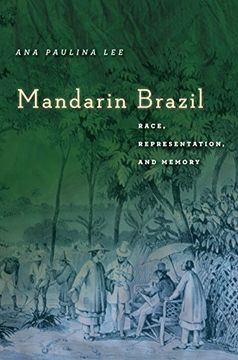
portada Mandarin Brazil: Race, Representation, and Memory (Asian America)
Type
Physical Book
Year
2018
Language
English
Pages
256
Format
Hardcover
ISBN13
9781503605046
Edition No.
1

Mandarin Brazil: Race, Representation, and Memory (Asian America)

Ana Paulina Lee (Author) · Stanford University Press · Hardcover

Mandarin Brazil: Race, Representation, and Memory (Asian America) - Ana Paulina Lee

Cheaper New Book Imported to Taiwan
Delivery: 27 Jul - 07 Aug Shipping: 12 to 16 business days.
NT$ 3,348
Faster New Book Imported to Taiwan
Delivery: 24 Jul - 04 Aug Shipping: 11 to 13 business days.
NT$ 3,867
NT$ 3,348

Synopsis "Mandarin Brazil: Race, Representation, and Memory (Asian America) "

In Mandarin Brazil, Ana Paulina Lee explores the centrality of Chinese exclusion to the Brazilian nation-building project, tracing the role of cultural representation in producing racialized national categories. Lee considers depictions of Chineseness in Brazilian popular music, literature, and visual culture, as well as archival documents and Brazilian and Qing dynasty diplomatic correspondence about opening trade and immigration routes between Brazil and China. In so doing, she reveals how Asian racialization helped to shape Brazil's image as a racial democracy. Mandarin Brazil begins during the second half of the nineteenth century, during the transitional period when enslaved labor became unfree labor―an era when black slavery shifted to "yellow labor" and racial anxieties surged. Lee asks how colonial paradigms of racial labor became a part of Brazil's nation-building project, which prioritized "whitening," a fundamentally white supremacist ideology that intertwined the colonial racial caste system with new immigration labor schemes. By considering why Chinese laborers were excluded from Brazilian nation-building efforts while Japanese migrants were welcomed, Lee interrogates how Chinese and Japanese imperial ambitions and Asian ethnic supremacy reinforced Brazil's whitening project. Mandarin Brazil contributes to a new conversation in Latin American and Asian American cultural studies, one that considers Asian diasporic histories and racial formation across the Americas.

Customers reviews

Frequently Asked Questions about the Book

All books in our catalog are Original.
The book is written in English.
The binding of this edition is Hardcover.

Questions and Answers about the Book

Do you have a question about the book? Login to be able to add your own question.

Opinions about Bookdelivery

More customer reviews