Tracked shipping to Taiwan with premium packaging for just NT$300 

Ship to
Taiwan
0
  • argentina
  • chile
  • colombia
  • españa
  • méxico
  • perú
  • estados unidos
  • internacional

Select your country

Americas

Europe

Rest of the world

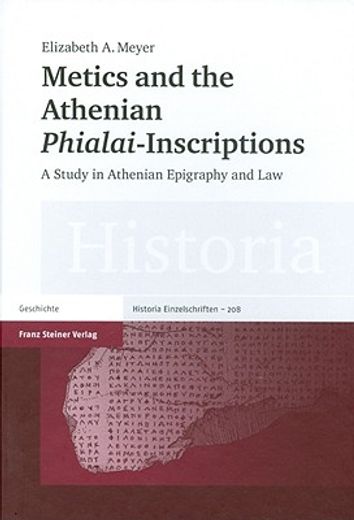
portada Metics and the Athenian 'Phialai'-Inscriptions: A Study in Athenian Epigraphy and Law
Metics and the Athenian 'Phialai'-Inscriptions: A Study in Athenian Epigraphy and LawMetics and the Athenian 'Phialai'-Inscriptions: A Study in Athenian Epigraphy and LawMetics and the Athenian 'Phialai'-Inscriptions: A Study in Athenian Epigraphy and Law
Type
Physical Book
Language
English
Pages
167
Format
Hardcover
Dimensions
24.4 x 17.5 x 2.0 cm
Weight
0.54 kg.
ISBN
9783515093316
ISBN13
9783515093316

Metics and the Athenian 'Phialai'-Inscriptions: A Study in Athenian Epigraphy and Law

Elizabeth a. Meyer (Author) · Franz Steiner Verlag Wiesbaden GmbH · Hardcover

Metics and the Athenian 'Phialai'-Inscriptions: A Study in Athenian Epigraphy and Law - Meyer, Elizabeth a.

New Book Imported to Taiwan
Delivery: 21 Jul - 30 Jul Shipping: 12 to 14 business days.
NT$ 4,389
NT$ 4,389

Synopsis "Metics and the Athenian 'Phialai'-Inscriptions: A Study in Athenian Epigraphy and Law"

Beneath the shining world of the citizen of Classical Athens was the perilous shadow-realm of the resident foreigner, the metic. Emblematic of the status of metic was the requirement to pay a special metic tax, the metoikion. And if a metic failed to pay this tax, he or she would be sold into slavery, a fate that threatened no citizen of the classical Athenian polis. In the late fourth century BC the Athenians, in the face of widespread departure of metics in the face of economic recession and legal harassment, moved to improve metics' legal situation in order to entice metics back to Athens. It is to the context of these legal reforms of the metic condition, this volume argues, that a celebrated set of fourth-century BC Athenian inscriptions recording dedications of silver cups, phialai, belong. Known since the nineteenth century as the "Attic Manumissions", these inscriptions have been thought to be the result of a legal process by which slaves were set free. Here these inscriptions are published as a corpus for the first time. And it is argued that they represent not the freeing of slaves, but preserve instead the traces of prosecutions of metics for failure to pay the metoikion. In the new pro-metic atmosphere of the 330s BC, persons who sued metics for failing to pay the metic tax, but did not win a conviction, were fined to discourage frivolous suits, and part of that fine was dedicated to divinity in the form of a phiale.

Customers reviews

Frequently Asked Questions about the Book

All books in our catalog are Original.
The book is written in English.
The binding of this edition is Hardcover.

Questions and Answers about the Book

Do you have a question about the book? Login to be able to add your own question.

Opinions about Bookdelivery

More customer reviews