Tracked shipping to Taiwan with premium packaging for just NT$300 

Ship to
Taiwan
0
  • argentina
  • chile
  • colombia
  • españa
  • méxico
  • perú
  • estados unidos
  • internacional

Select your country

Americas

Europe

Rest of the world

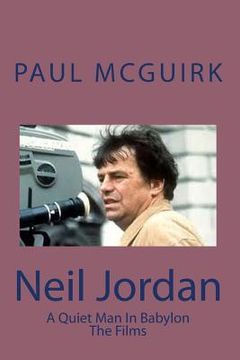
portada Neil Jordan: The Films: A Quiet Man In Babylon
Type
Physical Book
Publisher
Language
English
Pages
386
Format
Paperback
Dimensions
22.9 x 15.2 x 2.5 cm
Weight
0.71 kg.
ISBN13
9781484105412

Neil Jordan: The Films: A Quiet Man In Babylon

Paul David McGuirk (Author) · Createspace · Paperback

Neil Jordan: The Films: A Quiet Man In Babylon - McGuirk, Paul David

New Book Imported to Taiwan
Delivery: 27 Aug - 10 Sep Shipping: 16 to 20 business days.
NT$ 2,764
NT$ 2,764

Synopsis "Neil Jordan: The Films: A Quiet Man In Babylon"

Neil Jordan is indisputably the most important filmmaker to emerge in the context of contemporary Irish cinema to date. Beginning in 1982 with Angel, he has, in the space of a little over thirty years, made seventeen feature films: a significant body of work that has engaged with a wide variety of themes and issues. In films like Angel, The Crying Game (1992) and Michael Collins (1996) he has tackled questions of political import arising from the Troubles in Northern Ireland; in Company of Wolves (1984), Interview with the Vampire (1994), and Byzantium (2013), he has explored the outer fringes of Neo-Gothic narrative; in Mona Lisa (1986), The Good Thief (2002), The Brave One (2007), and Ondine (2009) he has reworked well-established genres; and in The Miracle (1991), The Butcher Boy (1997), and Breakfast on Pluto (2006) he has experimented with postmodern narrative. In 2010, Jordan also wrote all and directed two of the nine part television series The Borgias (2011), chronicling the ruthless and unscrupulous lives of the infamous 15th century Cardinal Rodrigo Borgia, later Pope Alexander VI, and his family. Here, it is my intention to look at Neil Jordan's films not in the context of Irish 'national cinema' but rather within the broader traditions of European modernist and postmodernist cinema. As Thomas Elsaesser has pointed out, while national cinema seeks the status of a cultural institution, it is in fact part of the industrial economy: and 'when looked at as an industry, cinema is not a national but an international business, in which different nations do not compete on the same terms'

Customers reviews

Frequently Asked Questions about the Book

All books in our catalog are Original.
The book is written in English.
The binding of this edition is Paperback.

Questions and Answers about the Book

Do you have a question about the book? Login to be able to add your own question.

Opinions about Bookdelivery

More customer reviews