Tracked shipping to Taiwan with premium packaging for just NT$300 

Ship to
Taiwan
0
  • argentina
  • chile
  • colombia
  • españa
  • méxico
  • perú
  • estados unidos
  • internacional

Select your country

Americas

Europe

Rest of the world

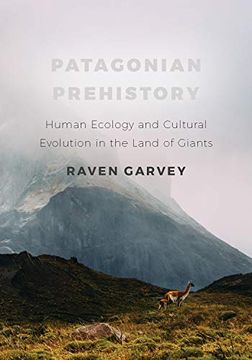
portada Patagonian Prehistory: Human Ecology and Cultural Evolution in the Land of Giants
Type
Physical Book
Language
English
Pages
288
Format
Hardcover
Dimensions
17.8 x 25.6 x 2.2 cm
Weight
0.70 kg.
ISBN13
9781647690267

Patagonian Prehistory: Human Ecology and Cultural Evolution in the Land of Giants

Raven Garvey (Author) · University of Utah Press · Hardcover

Patagonian Prehistory: Human Ecology and Cultural Evolution in the Land of Giants - Garvey, Raven

New Book Imported to Taiwan
Delivery: 22 Jul - 31 Jul Shipping: 11 to 13 business days.
NT$ 2,376
NT$ 2,376

Synopsis "Patagonian Prehistory: Human Ecology and Cultural Evolution in the Land of Giants"

Generally portrayed as a windswept wasteland of marginal use for human habitation, Patagonia is an unmatched testing ground for some of the world's most important questions about human ecology and cultural change. In this volume, archaeologist Raven Garvey presents a critical synthesis of Patagonian prehistory, bringing an evolutionary perspective and unconventional evidence to bear on enduringly contentious issues in New World archaeology, including initial human colonization of the Americas, widespread depopulation between 8,000 and 4,000 years ago, and the transition from foraging to farming. Garvey's novel hypotheses question common assumptions regarding Patagonia's suitability for prehistoric hunter-gatherers. She makes four primary arguments: (1) the surprising lack of clothing in parts of prehistoric Patagonia supports a relatively slow initial colonization of the Americas; (2) the sparse record of human habitation during the middle Holocene may be due to prehistoric behavioral changes and archaeological sampling methods rather than population decline; (3) farming never took root in Patagonia because risks associated with farming likely outweighed potential benefits; and, finally, (4) the broad trajectory of cultural change in Patagonia owes as much to feedback between population size and technology as to conditions in the rugged Patagonian outback itself.

Customers reviews

Frequently Asked Questions about the Book

All books in our catalog are Original.
The book is written in English.
The binding of this edition is Hardcover.

Questions and Answers about the Book

Do you have a question about the book? Login to be able to add your own question.

Opinions about Bookdelivery

More customer reviews