Tracked shipping to Taiwan with premium packaging for just NT$300 

Ship to
Taiwan
0
  • argentina
  • chile
  • colombia
  • españa
  • méxico
  • perú
  • estados unidos
  • internacional

Select your country

Americas

Europe

Rest of the world

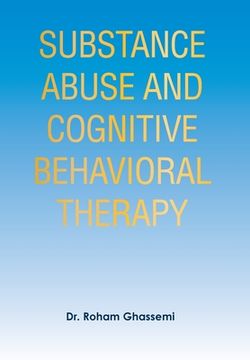
portada Substance Abuse and Cognitive Behavioral Therapy
Type
Physical Book
Publisher
Language
English
Pages
86
Format
Hardcover
Dimensions
22.9 x 15.2 x 1.0 cm
Weight
0.29 kg.
ISBN13
9781669855842

Substance Abuse and Cognitive Behavioral Therapy

Roham Ghassemi (Author) · Xlibris Us · Hardcover

Substance Abuse and Cognitive Behavioral Therapy - Ghassemi, Roham

New Book Imported to Taiwan
Delivery: 14 Aug - 24 Aug Shipping: 5 to 6 business days.
NT$ 1,116
NT$ 1,116

Synopsis "Substance Abuse and Cognitive Behavioral Therapy"

Theory and research suggest that self-efficacy plays an important part in substance abusers' decisions to change substance-related behavior, reduce substance use during treatment, and maintain treatment progress at follow-up. Self-evaluation and self-cognition can help individuals develop the self-efficacy to overcome substance abuse and make better life choices. The purpose of this investigation was to examine the current literature on substance abuse treatments, cognitive behavioral theory (CBT), self-efficacy theory, self-evaluation, and self-cognition strategies to identify components of the above that are empirically important and might logically be included in a substance abuse treatment program. Through a critical analysis of existing theory related to CBT and self-efficacy, the components that might be included in an intervention to reduce substance were identified. The goal of the intervention would be to reduce substance abuse by helping participants become more aware of their feelings and reactions and changing them in ways that will support cessation of substance abuse. A 12-session, 6-week program for individuals ranging in age from 25 to 50 was developed. Components of the intervention include helping clients capture thoughts, feelings, sensations; identify and label feelings; identify positive and negative expectancies of substance abuse; demonstrate awareness of triggers for substance abuse; seek out alternative interpretations of substance abuse thoughts and behaviors; and modify existing cognitive structures.

Customers reviews

Frequently Asked Questions about the Book

All books in our catalog are Original.
The book is written in English.
The binding of this edition is Hardcover.

Questions and Answers about the Book

Do you have a question about the book? Login to be able to add your own question.

Opinions about Bookdelivery

More customer reviews