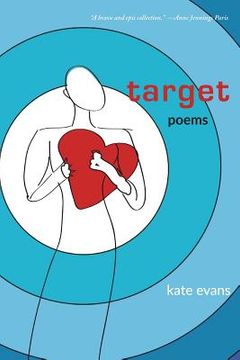
"Kate Evans takes us from the dreamlike moonscape of a failed marriage through the alienated ravings of a middle-aged woman pursuing sexual misadventure, and finally arriving in the sensual present of new love against the backdrop of foreign cities. Throughout the book, she retains tight control over form and language, winking at us with sly rhymes and surprising line breaks. Target comes to us as sweet and juicy as ripe fruit from the achingly honest, increasingly expansive voice of an adventurer who has awakened to herself." -Anne Jennings Paris, author of Killing George Washington "Kate Evans' new collection of poetry is a journey of home and away, the domestic and the exotic. The power of her language, her honesty, and her exacting images get at the heart of the ache and wonder of the human heart. Target celebrates life, love, and the challenges of living at the edge of self-discovery." -Persis Karim, author of Tremors
Kate Evans es una escritora, periodista y editora neozelandesa conocida por su trabajo en crónica cultural, alimentación y memoria familiar. A lo largo de su trayectoria ha colaborado con diversos medios y proyectos editoriales en Nueva Zelanda, desarrollando una escritura que mezcla investigación, autobiografía y observación social. Sus textos suelen explorar temas vinculados a identidad, migración, pertenencia y relaciones humanas a través de objetos cotidianos o elementos de la naturaleza. Evans destaca por transformar asuntos aparentemente pequeños en relatos emocionales y universales, demostrando que a veces una fruta puede contener más historia familiar que varios álbumes genealógicos completos.
Su libro más reconocido es Feijoa: A Story of Obsession and Belonging, obra híbrida entre memorias, ensayo cultural y exploración gastronómica centrada en la feijoa, una fruta profundamente asociada a Nueva Zelanda. A través de este tema singular, Evans reflexiona sobre raíces familiares, identidad nacional, migración y nostalgia, construyendo una narrativa íntima y original. El libro fue valorado por su capacidad para combinar humor, sensibilidad y análisis cultural en torno a un símbolo cotidiano convertido casi en personaje literario. Porque sí, lograr que una feijoa protagonice una reflexión existencial seria tiene bastante mérito narrativo.