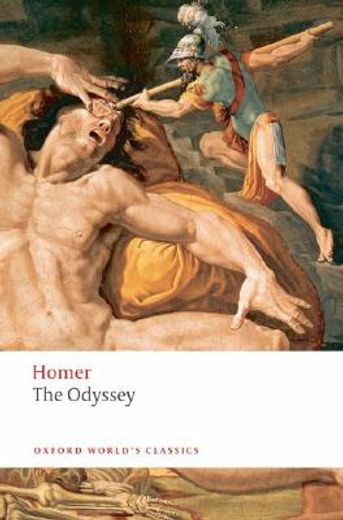
This prose translation of the The Odyssey is so successful that is has taken its place as on the few really outstanding version of Homer's famous epic poem. It is the story of the return of Odysseus from the siege of Troy to his home in Ithaca, and of the vengeance he takes on the suitors of his wife Penelope. Odysseus' account of his adventures since leaving Troy includes his encounter with the huntress Circe, his visit to the Underworld, and the lure of the Sirens as he sails between Scylla and Charybdis. About the Series: For over 100 years Oxford World's Classics has made available the broadest spectrum of literature from around the globe. Each affordable volume reflects Oxford's commitment to scholarship, providing the most accurate text plus a wealth of other valuable features, including expert introductions by leading authorities, voluminous notes to clarify the text, up-to-date bibliographies for further study, and much more.
G. S. Kirk fue un destacado estudioso británico de la antigüedad clásica, especializado en filología, filosofía presocrática, mitología griega y literatura épica. Nació en Nottingham en 1921 y prestó servicio en la Marina Real durante la Segunda Guerra Mundial, distinguiéndose por su dominio del griego moderno y recibiendo una condecoración militar por ello.
Después de la guerra, continuó sus estudios en Cambridge, donde desarrolló una carrera académica brillante: fue profesor en Cambridge, Yale y Bristol, y entre 1974 y 1982 ocupó la prestigiosa cátedra de Regius Professor of Greek en Cambridge. Su trabajo abarcó los orígenes de la filosofía griega, la literatura homérica y el papel del mito en la cultura, siempre desde una perspectiva crítica y rigurosa.
Entre sus obras más influyentes se encuentran estudios sobre Heráclito, una historia crítica de los filósofos presocráticos, textos sobre la tradición oral de los poemas de Homero, y una monumental edición comentada de la Ilíada. También exploró el significado de los mitos en distintas culturas, diferenciándolos de cuentos populares y prácticas rituales, y rechazando explicaciones universalistas en favor de enfoques más particulares y contextuales.
Kirk combinó erudición, claridad expositiva y enfoque crítico, convirtiéndose en una figura fundamental para quienes estudian filosofía antigua, mitología y la literatura clásica.